 SADIYEM
Slow Autumn Days: Easy Ways to Unplug Together as a Family
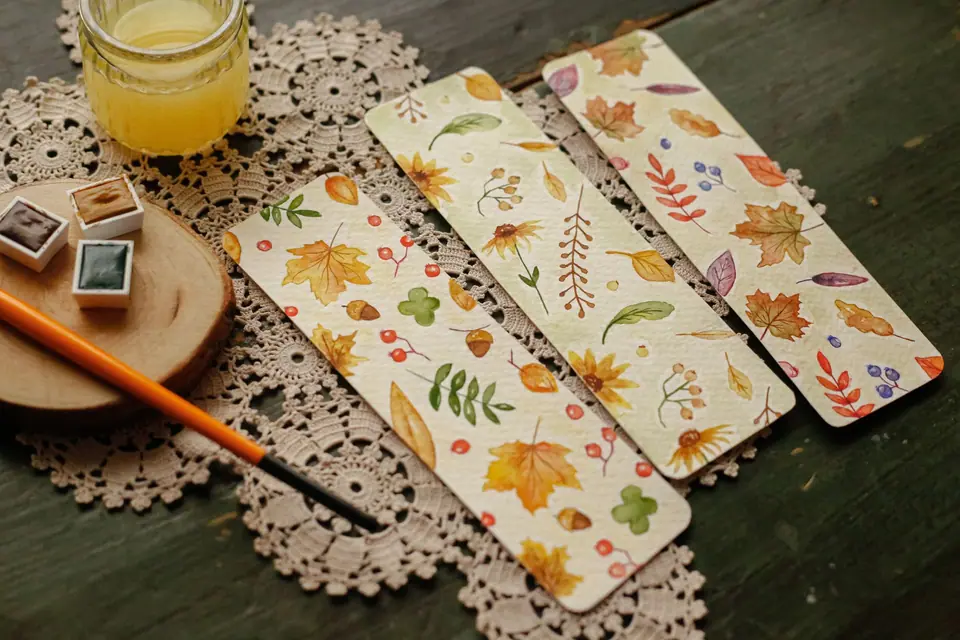
There is a particular kind of quiet that arrives in October. The light turns golden earlier, the air smells faintly of woodsmoke, and everyone in the house seems to drift toward the kitchen. It is the perfect season to put the tablets in a drawer for an afternoon and remember how good it feels to make something together.
This guide gathers our favorite screen-free fall family activities at home, grouped by where they happen and who they suit best. None of them require special equipment or a big budget. Most use what is already in your pantry, your backyard or your craft drawer. Choose one or two, keep expectations gentle, and let the afternoon unfold.
In the Kitchen: Small Hands, Warm Smells
The kitchen is the heart of autumn, and children of almost every age can find a job there.
Apple Cinnamon Muffins (ages 3 and up)
You need: two apples, flour, eggs, milk, cinnamon, a muffin tin and paper liners.
Little ones can pour, stir and fill liners. Older kids can measure and crack eggs. An adult should handle the peeling, the chopping and anything going in or out of the oven. Hot trays and sharp knives stay in grown-up hands, always.
Pumpkin Seed Roasting (ages 4 and up)
After carving or cooking a pumpkin, rinse the seeds together and let children pick out the stringy bits, which they tend to find wonderfully gross. Toss with oil and a pinch of salt, and an adult roasts them until golden. It is a simple lesson in using the whole vegetable.
A Family Soup Night (ages 6 and up)
Let each person choose one vegetable for the pot. School-age kids can wash produce and tear herbs, and older children can learn safe knife skills with close supervision. If you need inspiration, our cozy fall soup recipes for weeknights are built for exactly this kind of shared cooking.
Outside the Door: Nature and Leaf Crafts
You do not need a forest. A short walk around the block with a paper bag is enough to gather the raw materials for an afternoon of making.
- Leaf rubbings (ages 3 and up): Place leaves vein-side up under thin paper and rub with the side of an unwrapped crayon. Watch the shapes appear like magic.
- Pressed leaf suncatchers (ages 5 and up): Arrange flat leaves between two sheets of clear contact paper, trim into circles and tape to a sunny window.
- Acorn and pinecone counting (ages 2 to 4): Sort found treasures by size into a muffin tin. Acorns and small seeds are choking hazards, so stay close with toddlers and put everything away afterward.
- Nature journal (ages 7 and up): Give each child a small notebook to sketch one leaf a day and note the weather. By November, they will have a record of the season turning.
Pressed leaves also make lovely, free decorations. For more ideas on bringing the season indoors without overspending, see our guide to cozy fall home decor on a budget.
Cozy Indoor Games for Rainy Afternoons
When the weather turns gray, a basket of simple games keeps everyone connected. These are some of the easiest screen-free fall family activities at home because they need almost no setup.
Homemade Playdough (ages 2 and up)
You need: flour, salt, water, a little oil and a spoonful of cinnamon or pumpkin spice for scent. An adult mixes any warm water. Children knead, roll and press leaves or acorn caps into the dough to leave prints.
Blanket Fort Picnic (all ages)
Drape blankets over chairs, add pillows and a flashlight, and serve snacks inside. It turns an ordinary Saturday into an event.
Autumn Scavenger Hunt Indoors (ages 4 to 10)
Write a list: something orange, something that smells like fall, something soft, something round. Younger kids can use picture clues instead of words.
Family Card or Board Game Hour (ages 6 and up)
Pick one classic game and keep it short. The goal is laughter, not a winner. Rotating who chooses the game each week gives everyone a sense of ownership.
Quiet Corners: Reading and Storytelling
Not every activity needs to be busy. Some of the best moments of the season happen under a blanket with a cup of something warm.
- Fall read-aloud basket (all ages): Collect a few library books about harvests, changing leaves or animals preparing for winter. Read one each evening before bed.
- Story stones (ages 4 and up): Draw simple pictures on flat stones, such as a moon, a fox, a house or a key. Take turns pulling one from a bag and adding a line to a shared story.
- Grandparent stories (ages 6 and up): Ask an older relative to share a memory of autumn from their childhood, in person or over a phone call. Kids can write or draw it afterward.
- Gratitude jar (ages 5 and up): Each person adds a slip of paper noting one good thing from the day. Read them together at the end of the month.
These slower rituals pair beautifully with the ideas in our post on slow living habits for a calmer routine.
Small Traditions Worth Keeping
Traditions do not need to be elaborate to matter. What children remember is the repetition and the feeling of belonging.
- First fire or candle night: Mark the first truly cold evening with a candle at dinner. Keep flames out of reach and never leave them unattended.
- Annual leaf photo: Each year, press one leaf per child and date it. Over time it becomes a quiet record of growing up.
- Harvest table: Let children arrange gourds, apples and pinecones as a centerpiece and refresh it every week.
- Thank-you notes in November: Write short cards to teachers, neighbors or relatives as the season winds toward the holidays.
We collect small moments like these in our Small Moments journal, where families share how they slow down together.
A Simple Screen-Free Weekend Plan
If you want to try screen-free fall family activities at home but are not sure where to begin, this gentle checklist keeps things realistic.
- Friday evening: Gather supplies. Check the pantry for flour, apples and cinnamon, and find paper, crayons and contact paper.
- Saturday morning: Leaf walk and collection, followed by rubbings or suncatchers.
- Saturday afternoon: Bake muffins together, with an adult on oven duty.
- Saturday evening: Blanket fort picnic and a read-aloud.
- Sunday morning: Slow breakfast and story stones.
- Sunday afternoon: Family soup night prep and a short card game while it simmers.
- Sunday evening: Add notes to the gratitude jar and talk about which moment everyone liked best.
Leave plenty of open space between activities. Boredom is not a failure. It is often where the most creative play begins.
A Life Worth Sharing
The point of unplugging is not perfection. It is the sticky counter, the crooked suncatcher and the story that made no sense but made everyone laugh. A few screen-free fall family activities at home each week can quietly change the rhythm of a whole season.
If these ideas brought a little calm to your week, we would love to see how your family spends autumn. Follow us on Instagram @by.sadiyem for more slow, seasonal inspiration, and explore more of SADIYEM whenever you need a gentle reminder to savor the small things.
Frequently asked questions
What are easy screen-free activities for kids in the fall?
Some of the easiest options are leaf rubbings, baking apple muffins, homemade playdough, blanket forts and story stones. They use common household supplies, take little preparation and work for a wide range of ages. Choose one indoor and one outdoor activity per day, and leave open time in between so children can follow their own ideas.
How do I keep toddlers busy without screens on a rainy day?
Toddlers love simple sensory play. Try scented playdough, sorting large pinecones into a muffin tin, or a picture-based scavenger hunt around the house. Keep sessions short, around ten to twenty minutes, and rotate activities. Always supervise closely with small natural items like acorns, which can be a choking hazard for young children.
What fall traditions can families start at home?
Gentle traditions include pressing one leaf per child each year, building a weekly harvest centerpiece, keeping a gratitude jar through November, and marking the first cold night with a candlelit dinner. The best traditions are simple enough to repeat every year, because children remember the rhythm and the feeling more than the details.
How can I reduce screen time on weekends without arguments?
Plan the weekend together in advance and let children choose some of the activities, so it feels like an invitation rather than a rule. Put devices in a shared basket during set hours, keep the first unplugged stretch short, and fill it with something genuinely fun, like baking or a blanket fort picnic.