 SADIYEM
How to Care for Dry Skin When the Air Turns Crisp
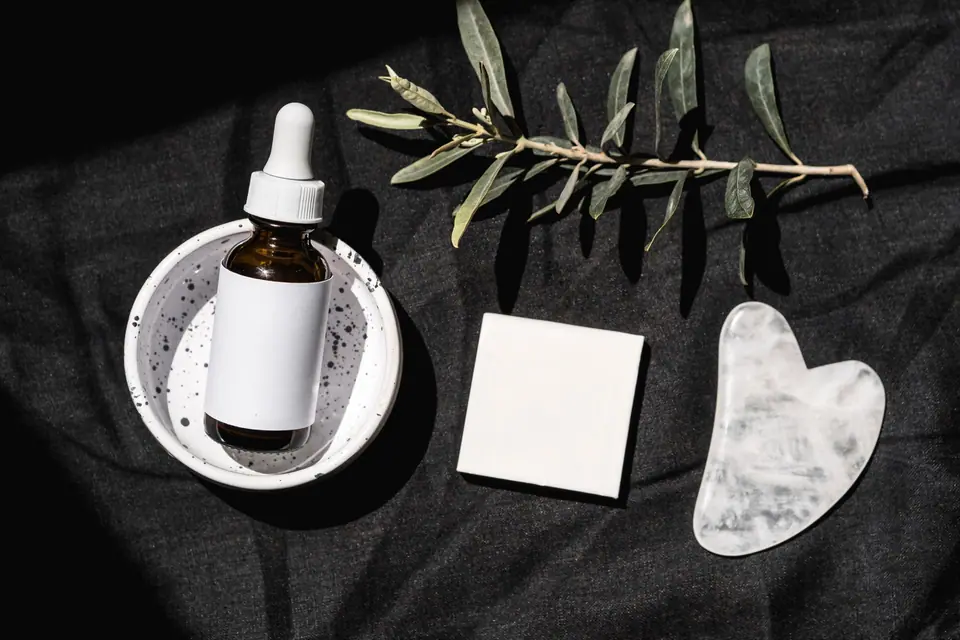
The first cool morning of the season always feels like a gift. Then, a few days later, your face feels tight after washing, your foundation clings to dry patches, and the moisturizer that worked all summer suddenly seems to vanish by noon. That is not your imagination. Cooler air holds less moisture, indoor heating dries it out further, and skin that leans dry feels the shift first.
The good news is that you do not need a cabinet full of new products. A thoughtful fall skincare routine for dry skin is mostly about a few smart swaps, the right ingredients, and putting them on in the right order. Here is how to build one that feels calm, simple, and genuinely comforting.
Why Dry Skin Struggles More in Fall
Your skin has a natural barrier, a thin layer of lipids and cells that holds water in and keeps irritants out. When the air is humid, that barrier gets a little help from the environment. When the air turns crisp and dry, water leaves the skin more easily, and the barrier has to work harder.
A few common fall habits make it harder still:
- Hotter, longer showers that strip away natural oils
- Indoor heating that lowers the humidity in your home
- Wind and cold on walks, commutes, and weekend outings
- Summer products like foaming cleansers or strong exfoliants that are too harsh for the season
So the goal of a seasonal routine is simple: cleanse gently, add water back, and seal it in.
The Ingredients Worth Looking For
Rather than chasing brand names, read the ingredient list. These are the types of ingredients that tend to support dry skin when the weather cools.
Humectants: Ingredients That Draw In Water
Hyaluronic acid and glycerin attract water and help skin feel plumper and more supple. They work best on slightly damp skin and under a moisturizer, so the water they draw in stays put. Other gentle humectants include panthenol and urea at low concentrations.
Barrier Lipids: Ingredients That Rebuild
Ceramides, cholesterol, and fatty acids are the building blocks of a healthy skin barrier. Moisturizers that combine them can help skin feel stronger and less reactive over time. If you choose one new product this season, a ceramide-rich cream is a thoughtful place to start.
Occlusives: Ingredients That Seal
Squalane, shea butter, and petrolatum form a soft layer that slows water loss. You do not need much. A thin final layer at night, or a small amount on very dry areas like the sides of the nose and around the mouth, is usually enough.
Ingredients to Use More Gently
Strong exfoliating acids, high-strength retinoids, and fragranced products can be harder on dry skin in fall. You do not have to give them up entirely, but consider using them less often and always buffering them with a rich moisturizer.
Your Morning Routine, Step by Step
Mornings should be quick and protective. Think of it as dressing your skin for the day, the same way you might layer a soft knit from your fall capsule wardrobe.
- Rinse or cleanse gently. If your skin feels comfortable, lukewarm water alone is fine. Otherwise, use a creamy, non-foaming cleanser.
- Apply a hydrating serum. While your skin is still slightly damp, press in a hyaluronic acid or glycerin serum.
- Moisturize. Choose a cream with ceramides or fatty acids. Let it sink in for a minute.
- Finish with sunscreen. UV exposure continues through fall, even on gray days. A broad-spectrum SPF 30 or higher with a moisturizing finish is a good match for dry skin.
If your skin still feels tight by midday, a tiny drop of facial oil pressed over makeup can restore comfort without disturbing it.

Your Evening Routine, Step by Step
Night is when your fall skincare routine for dry skin can do its deepest work. Your skin is not dealing with wind or sun, so this is the time for richer textures.
- Cleanse. If you wear sunscreen or makeup, start with a cleansing balm or oil, then follow with your creamy cleanser only if needed.
- Treat, if you use a treatment. This is where a retinoid or gentle exfoliant goes, two or three nights a week at most for dry skin.
- Hydrate. Layer your humectant serum on damp skin.
- Moisturize generously. Use a richer cream than you would in the morning.
- Seal. On especially dry nights, add a thin layer of an occlusive balm over the driest areas.
A few drops of water on your hands before the serum can make a noticeable difference in how evenly it spreads. Slow, unhurried moments like this are part of what we love about slow living habits for a calmer routine.
Small Habits That Make a Big Difference
Products are only part of the picture. These everyday choices quietly support everything else you do.
At Home
- Run a humidifier in your bedroom overnight, especially once the heating comes on.
- Keep showers warm, not hot, and try to keep them short.
- Pat, do not rub, your face dry with a soft towel.
- Apply products within a minute or two of washing, while skin is still a little damp.
Out and About
- Carry a lip balm and a small hand cream in your bag.
- Wrap a soft scarf loosely over your lower face on windy days.
- Reapply sunscreen if you are outside for long stretches.
And do not overlook what you eat and drink. Staying hydrated and enjoying nourishing meals, like one of our cozy fall soup recipes for weeknights, supports how you feel overall.
A Simple Fall Skincare Checklist
Use this quick list to review your fall skincare routine for dry skin once the season settles in:
- Swap a foaming cleanser for a creamy, non-foaming one
- Add a hyaluronic acid or glycerin serum, applied to damp skin
- Choose a moisturizer with ceramides, cholesterol, or fatty acids
- Keep a broad-spectrum SPF 30 or higher in your morning routine
- Reduce exfoliating acids and retinoids to a few nights a week
- Add a thin occlusive layer on very dry areas at night
- Run a humidifier while you sleep
- Patch test every new product on a small area for a few days before using it on your whole face
If dryness becomes painful, cracked, very itchy, or does not improve after a few weeks of gentle care, please see a board-certified dermatologist. Persistent dryness can have many causes, and a professional can help you find what is right for your skin.
Make the Season Feel Softer
A fall skincare routine for dry skin does not have to be complicated. A gentle cleanser, a hydrating serum, a barrier-loving cream, and sunscreen in the morning cover most of what dry skin needs. Add a little more richness at night and a few comforting habits at home, and you have a routine that feels like a small daily ritual rather than a chore.
For more quiet inspiration, wander through our Small Moments journal or return to the SADIYEM homepage to explore everything we share. And if you would like softer days in your feed, come say hello on Instagram at @by.sadiyem. We would love to share the season with you.
Frequently asked questions
What is the best skincare routine for dry skin in fall?
A simple routine works best. In the morning, use a gentle cleanser, a hyaluronic acid or glycerin serum on damp skin, a ceramide moisturizer, and broad-spectrum sunscreen. At night, cleanse, hydrate, apply a richer cream, and seal very dry areas with a thin occlusive layer. Patch test anything new before adding it.
Should I change my moisturizer when the weather gets colder?
Many people with dry skin find that a lighter summer lotion is no longer enough once the air cools. Switching to a richer cream with ceramides, cholesterol, and fatty acids can help skin feel more comfortable. You can keep your lighter formula for mornings and use the richer one at night.
Can I still use exfoliants and retinoids if my skin is dry?
Often, yes, but more gently. Many people with dry skin use exfoliating acids or retinoids only two or three nights a week in cooler months, always followed by a rich moisturizer. If you notice stinging, redness, or flaking, pause and give your skin time to recover before trying again.
Does a humidifier really help dry skin?
A humidifier adds moisture to indoor air, which can make heated rooms feel less drying for skin, especially overnight. It works best alongside a good moisturizer rather than as a replacement. Keep it clean according to the manufacturer's instructions, and place it a comfortable distance from your bed.